
Kiddom
February 5, 2026

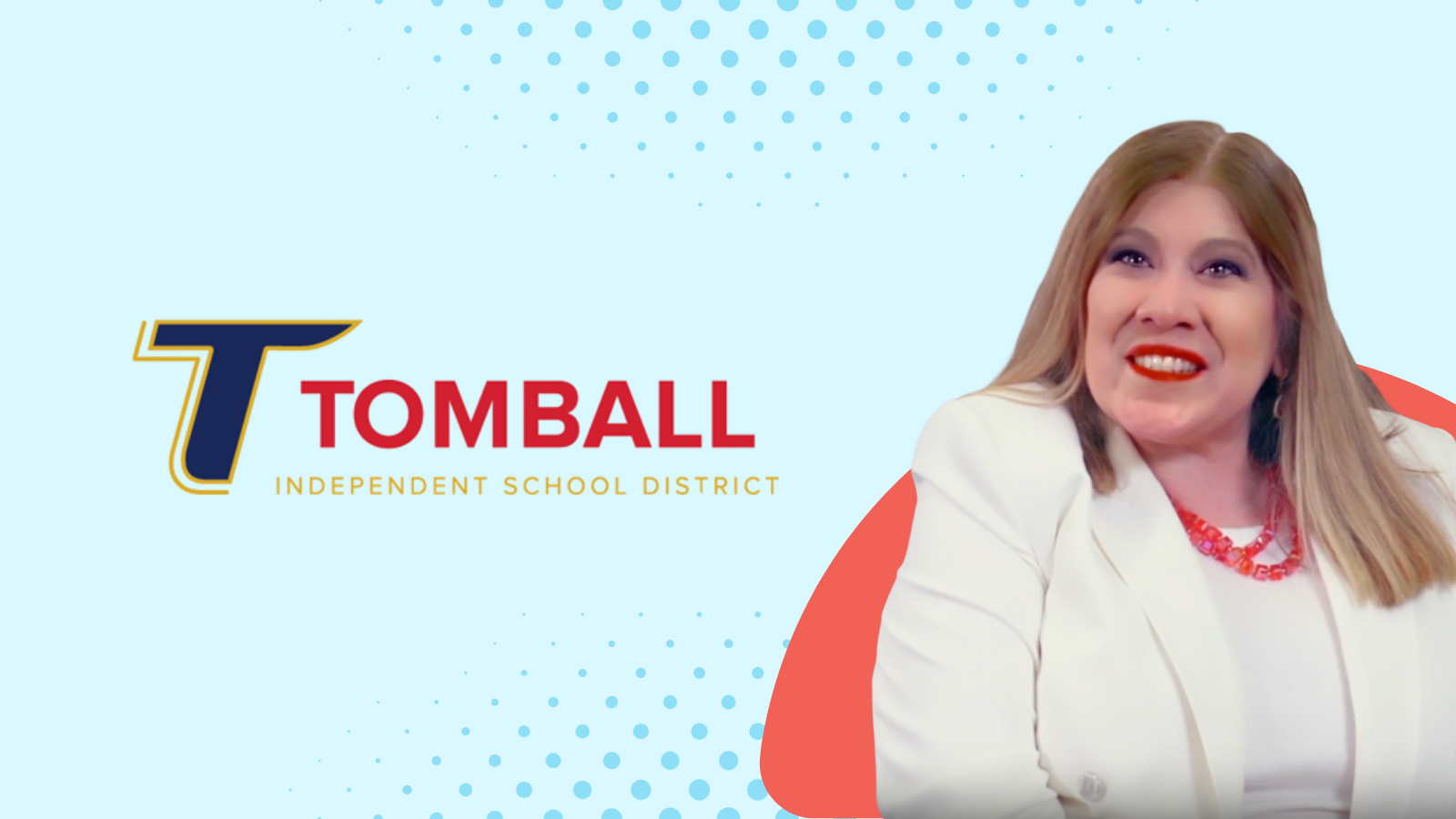
When you talk with Superintendent Dr. Martha Salazar—known to many simply as Dr. Z—you immediately understand why Tomball ISD calls itself a destination district. This isn’t just a slogan. It’s a mindset grounded in excellence, intentionality, and a deep belief in what students and teachers can accomplish when given the right tools and trust.
In Kiddom’s recent conversation with Dr. Z, the focus was on something many districts are still cautiously circling: AI in education. But what stood out most wasn’t hype or fear. It was clarity.
Tomball ISD is a fast-growing, majority-minority district serving nearly 24,000 students and representing close to 80 languages, all while maintaining an A rating across two counties. That context matters. For Dr. Z, any instructional partner or technology must enhance what teachers already do best, not replace it, not distract from it, and certainly not undermine equity or rigor.
That philosophy is exactly how she frames Kiddom and AI-powered learning tools. Teachers in Tomball ISD are viewed as instructional designers, and technology supports their craft by clarifying curriculum, encouraging student discourse, and making learning feel engaging rather than overwhelming. The goal is simple but ambitious: students who enjoy learning, grow academically, and feel a genuine sense of belonging.
What’s especially compelling is how Tomball ISD approaches AI with confidence instead of caution tape. Dr. Z is clear that AI isn’t some looming future: it’s already here. Students and educators interact with it daily, often without realizing it. The real responsibility, she argues, is helping students understand AI as a tool—something that can support thinking, save time, and open doors, but never replace learning or teaching itself.
Concerns about cheating? Dr. Z reframes the conversation. If a student misuses AI, the real consequence isn’t disciplinary; it’s lost learning. And that mindset shifts the focus from fear to responsibility (for both the student and the teacher), from restriction to thoughtful use.
Tomball ISD’s commitment goes beyond classrooms. Through district-wide implementation, walkthroughs, and ongoing conversations with both teachers and students, the district ensures fidelity, equity, and real instructional impact. AI isn’t adopted because it’s trendy; it’s embedded because it aligns with a strategic vision for preparing students for a future that doesn’t yet exist.
Perhaps the most powerful takeaway from the conversation is Dr. Z’s optimism. She speaks openly about being at the beginning of the AI journey. Time savings matter. Efficiency matters. But what matters more is what students and educators will learn as these tools evolve.