
Virginia math, built for the SOL
Kiddom Virginia Math is the curriculum and the platform
What sets the Kiddom experience apart
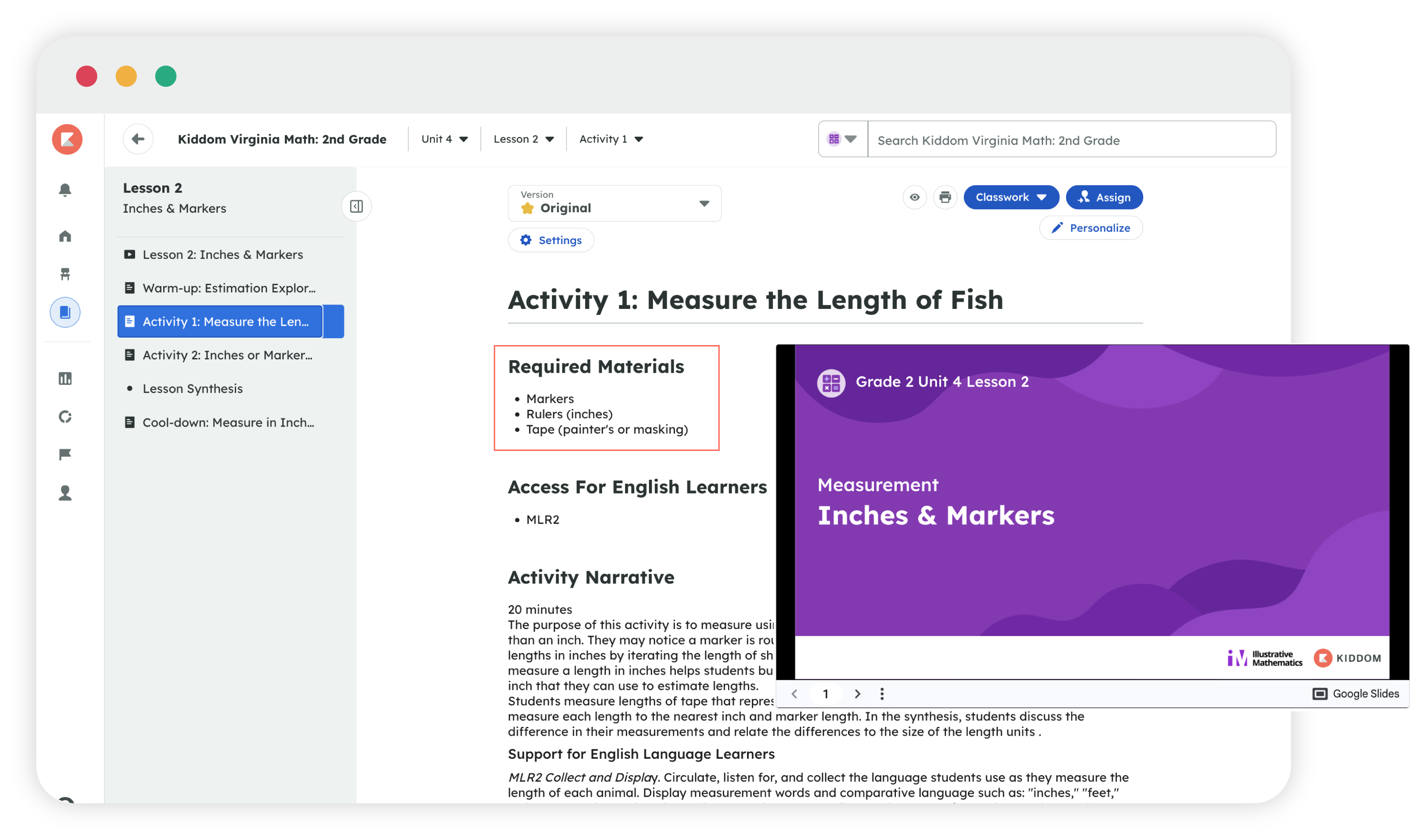
Faster Planning
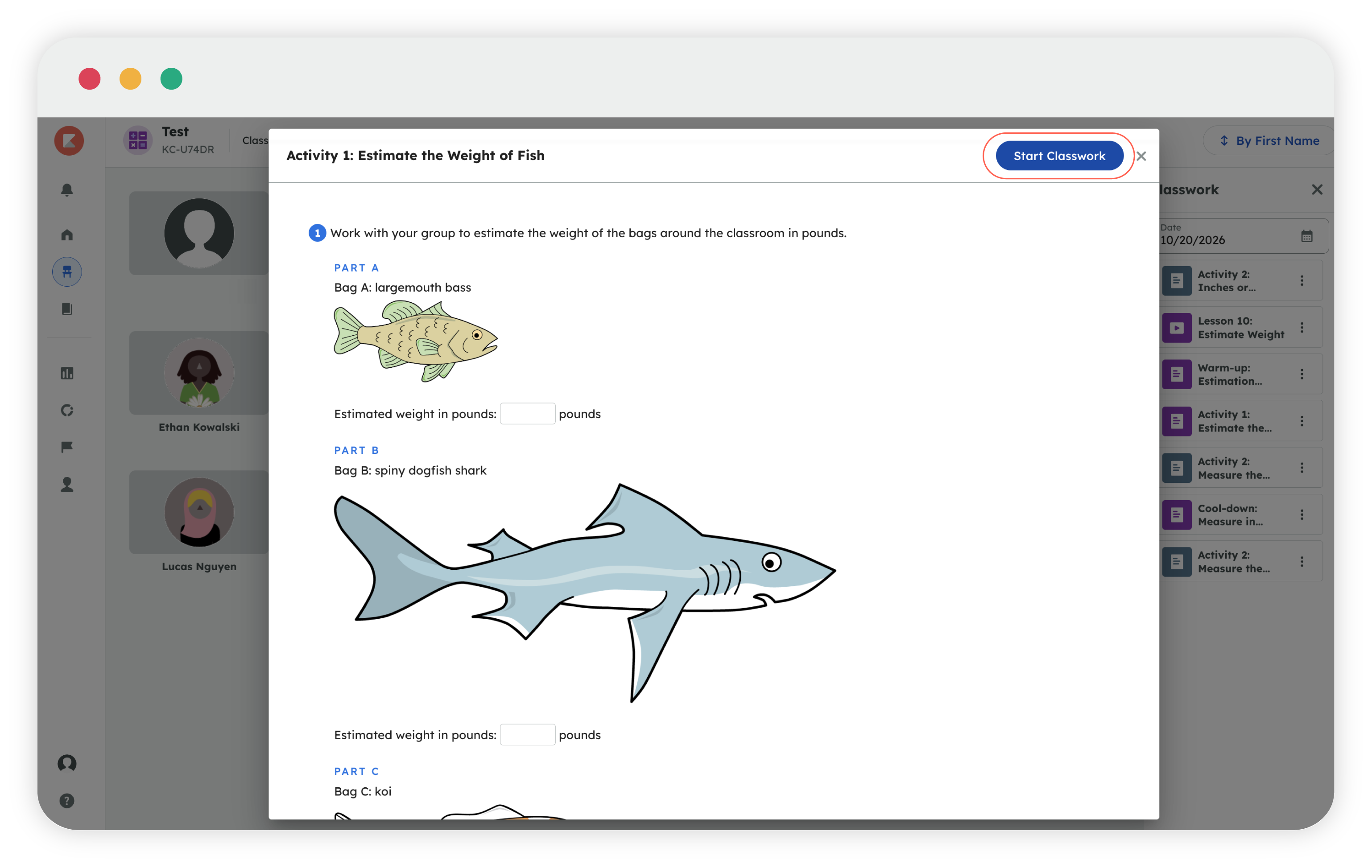
Flexible Delivery
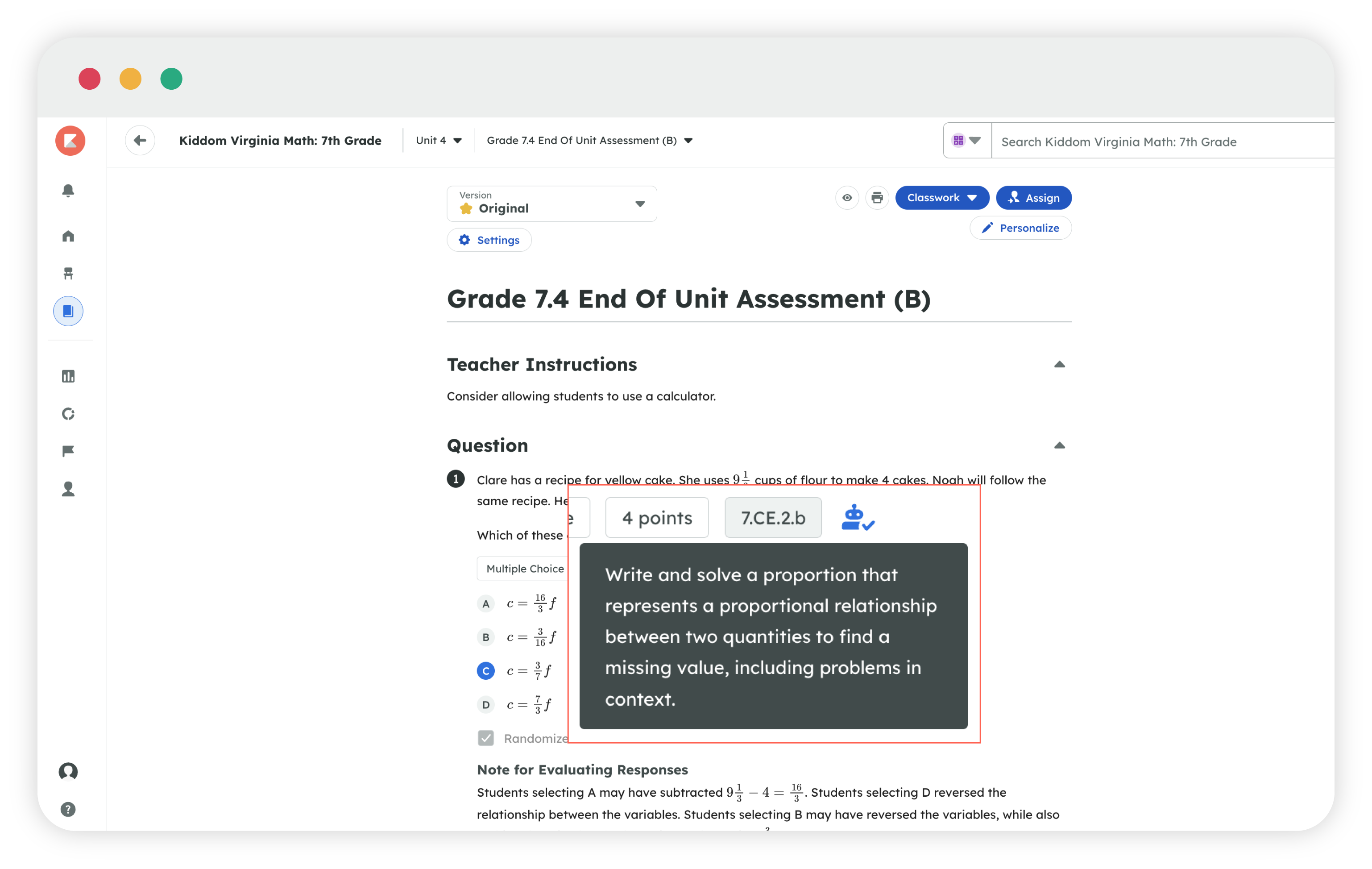
Assessment in the flow of learning
Support that continues after launch
Designed for Virginia
A complete math pathway
From Kindergarten through Algebra II, Kiddom Virginia Math provides a coherent progression of mathematical concepts, skills, and reasoning.

Rich mathematical thinking
Problem solving, reasoning, communication, connections, and representations are part of daily learning, not an add-on at the end of a unit.


Virginia-specific content
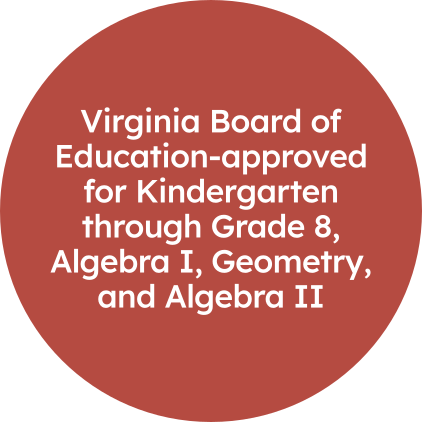
Virginia-specific lessons and assessments address the 2023 Mathematics SOL, with grade-level adaptations that reflect the skills, concepts, and progressions Virginia students are expected to master.

Standards connected to instruction
Lesson-level standards tags and standards-connected assessment questions help teachers see where expectations are taught and how students are progressing.
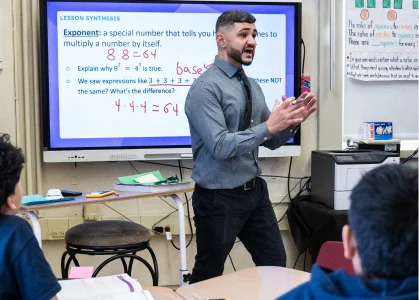
What a Virginia math lesson looks like
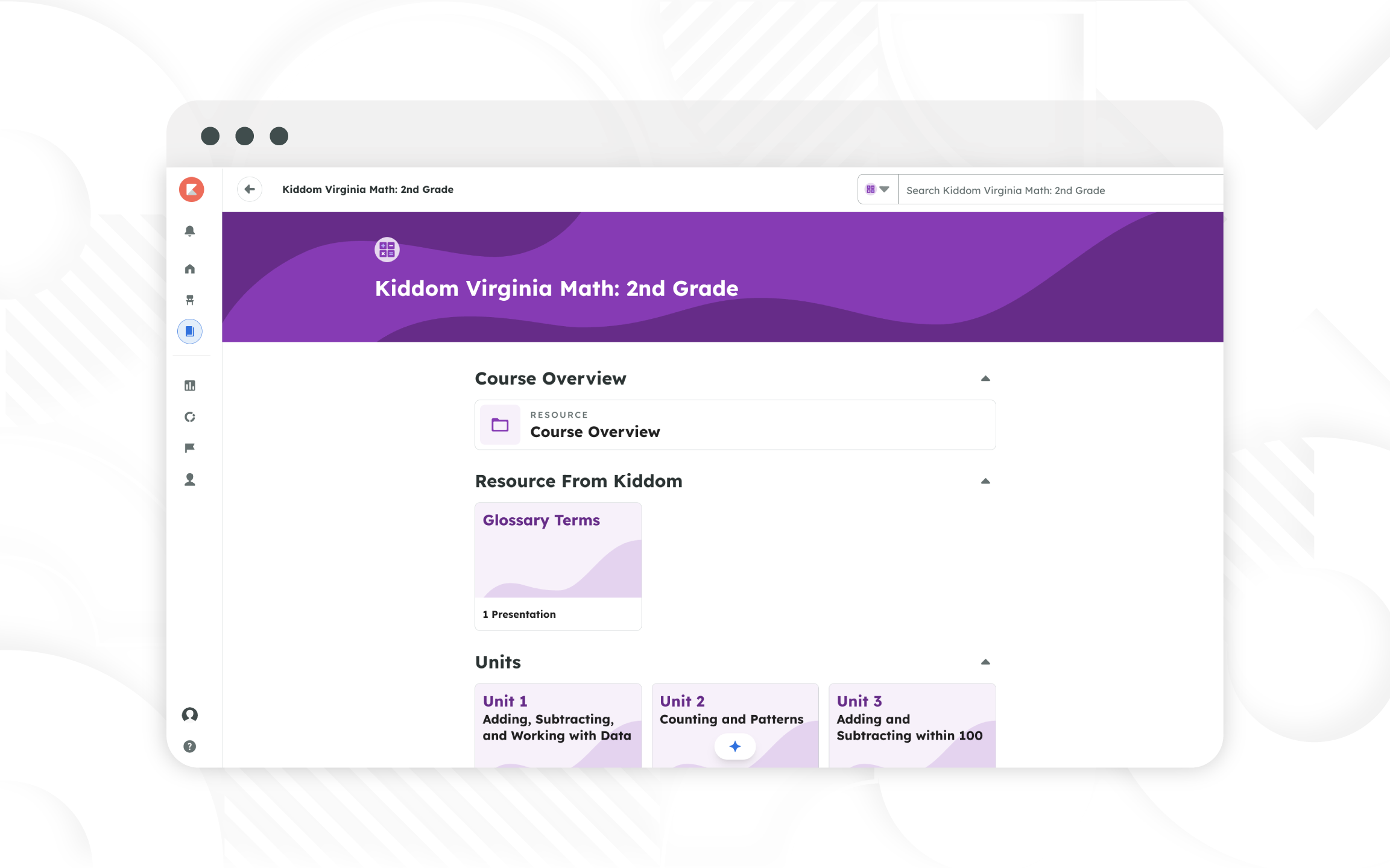
Everything you need to teach Kiddom Virginia Math
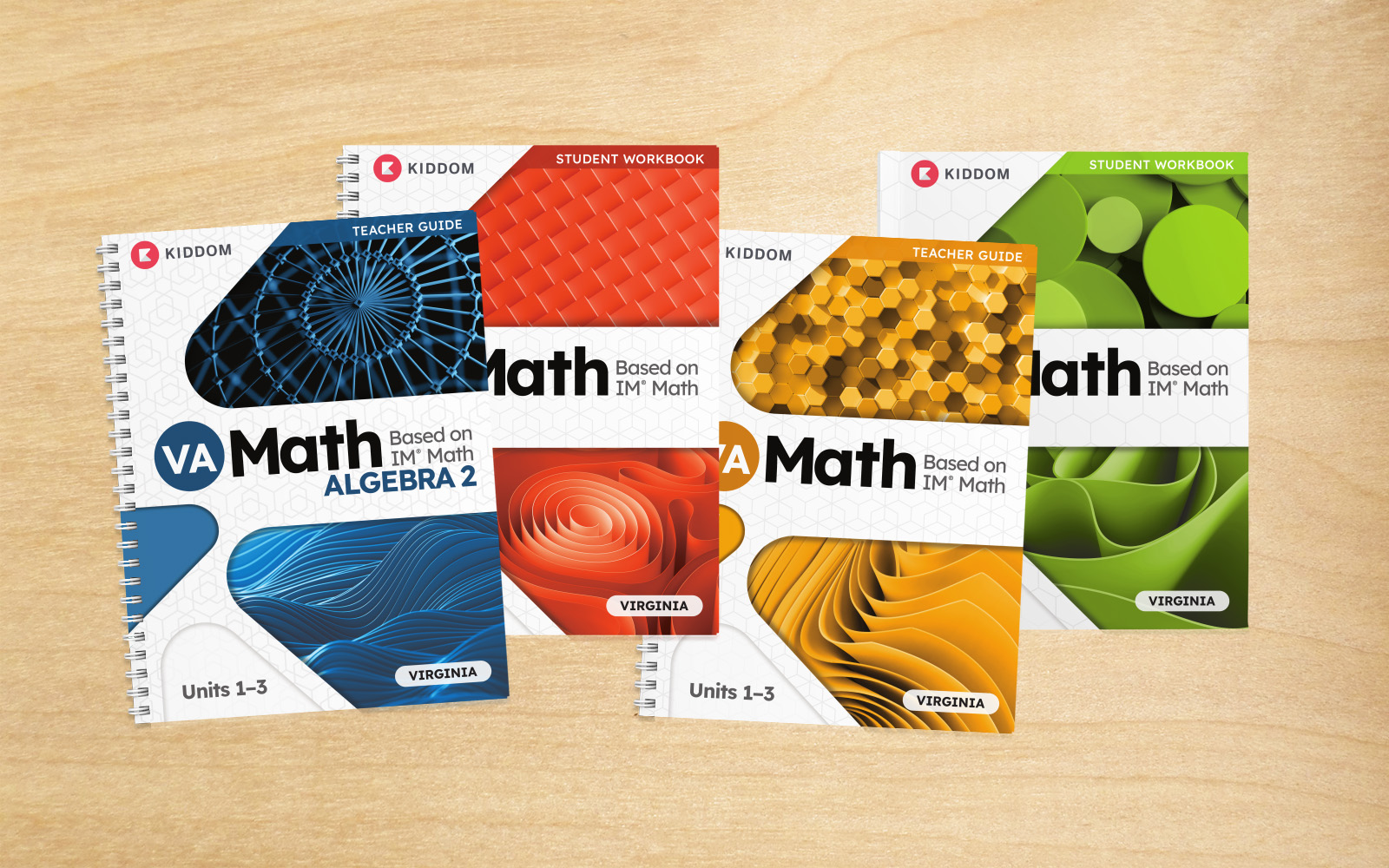
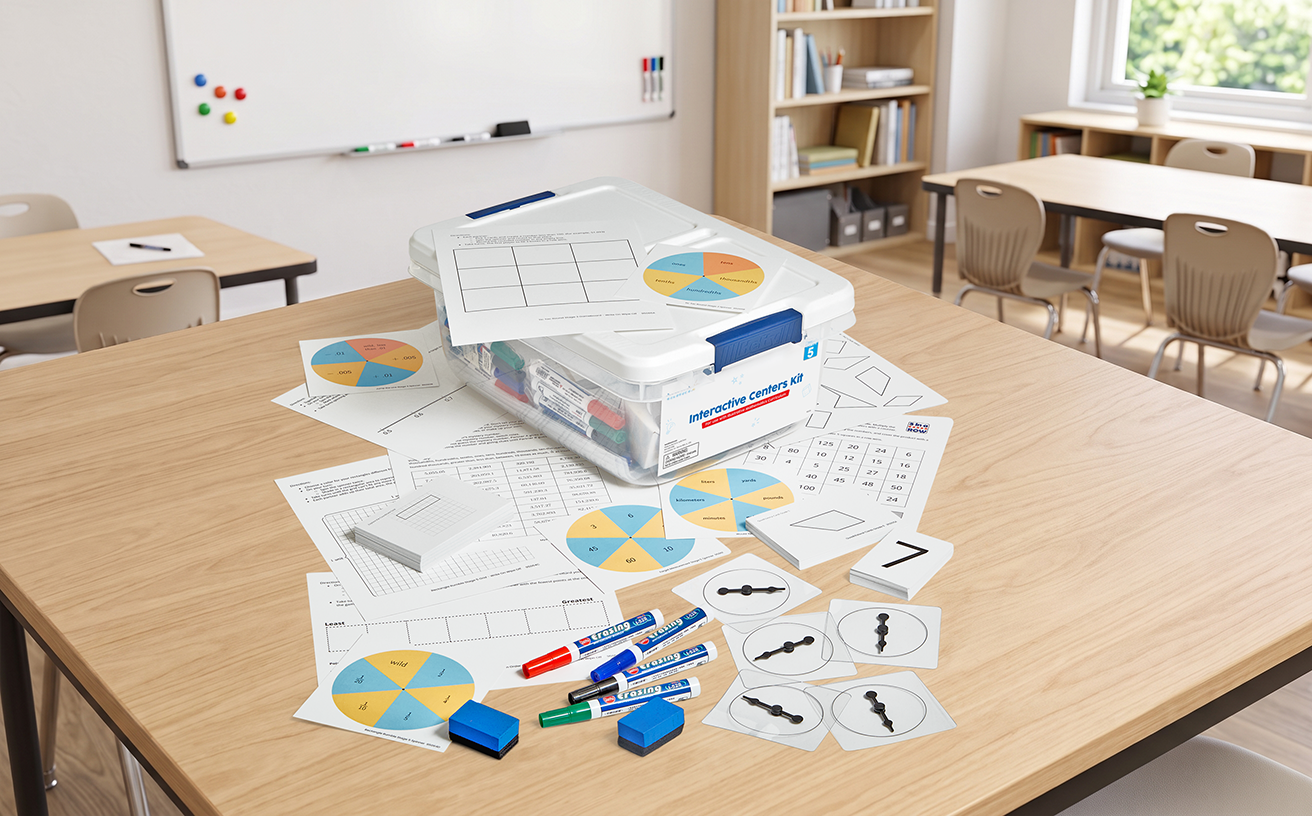
Support for all learners. Rigorous grade-level mathematics becomes more accessible when students have meaningful ways to enter a problem and communicate what they know.
Mathematical language routines
Structured routines help students make meaning, explain ideas, and build the language of mathematics through discussion.
Multiple ways to show thinking
Students can respond with words, equations, drawings, models, and digital tools while teachers keep the learning goal consistent.
Support at the point of use
Teacher guidance, representations, and lesson-level scaffolds help educators anticipate student thinking and respond without lowering the demand of the task.
The tools math teachers love

Atlas by Kiddom
Daily Cool-Downs are analyzed to surface shared misconceptions, group students by need, and prepare targeted next steps for the next lesson.

Auto-Scoring & Standards Gradebook
Practice problems and assessments score themselves and roll straight into a gradebook organized by standard.

Kiddom Assistant
Ask a question about any lesson, standard, or student, and get an answer inside the flow of teaching.

Editable Lesson Presentations
Customize ready-to-use lesson presentations to fit your classroom.

Bilingual View
Every lesson and activity has a linked Spanish version, one click away.

Digital Math Tools & Tutorial Videos
A course-level library of interactive tools and short how-to videos, ready before a lesson starts.
