
Your school chose Kiddom.
Here's what that means for your family.
For Families

Your school's choice
Your district selected the curriculum, the format, and how teachers use it.

Print and digital
Workbooks, novels, and hands-on kits, plus digital access.

See the work
Assignments, feedback, and progress in one place.

Talk about it at home
Celebrate progress and guide practice, on paper or on screen.

Built for every learner
Scaffolds and accommodations teachers set up before class.

Privacy first
We don't sell student data. Your district controls who sees what.
Connected digital, print, and
hands-on materials
Discover how students learn with Kiddom
Frequently Asked Questions
What is Kiddom?
Kiddom is a technology company that partners with vetted, high-quality curriculum publishers. Your state, district, and school choose what your child learns. We make that curriculum easier for teachers to plan, teach, and grade, which gives them more time with students.
Who decided my child's school would use Kiddom?
Your school or district did. Districts evaluate curriculum and the technology that delivers it, typically reviewing instructional quality, privacy, security, and accessibility before adopting anything. Your principal or district office can tell you how that decision was made where you are.
Is Kiddom print, digital, or both?
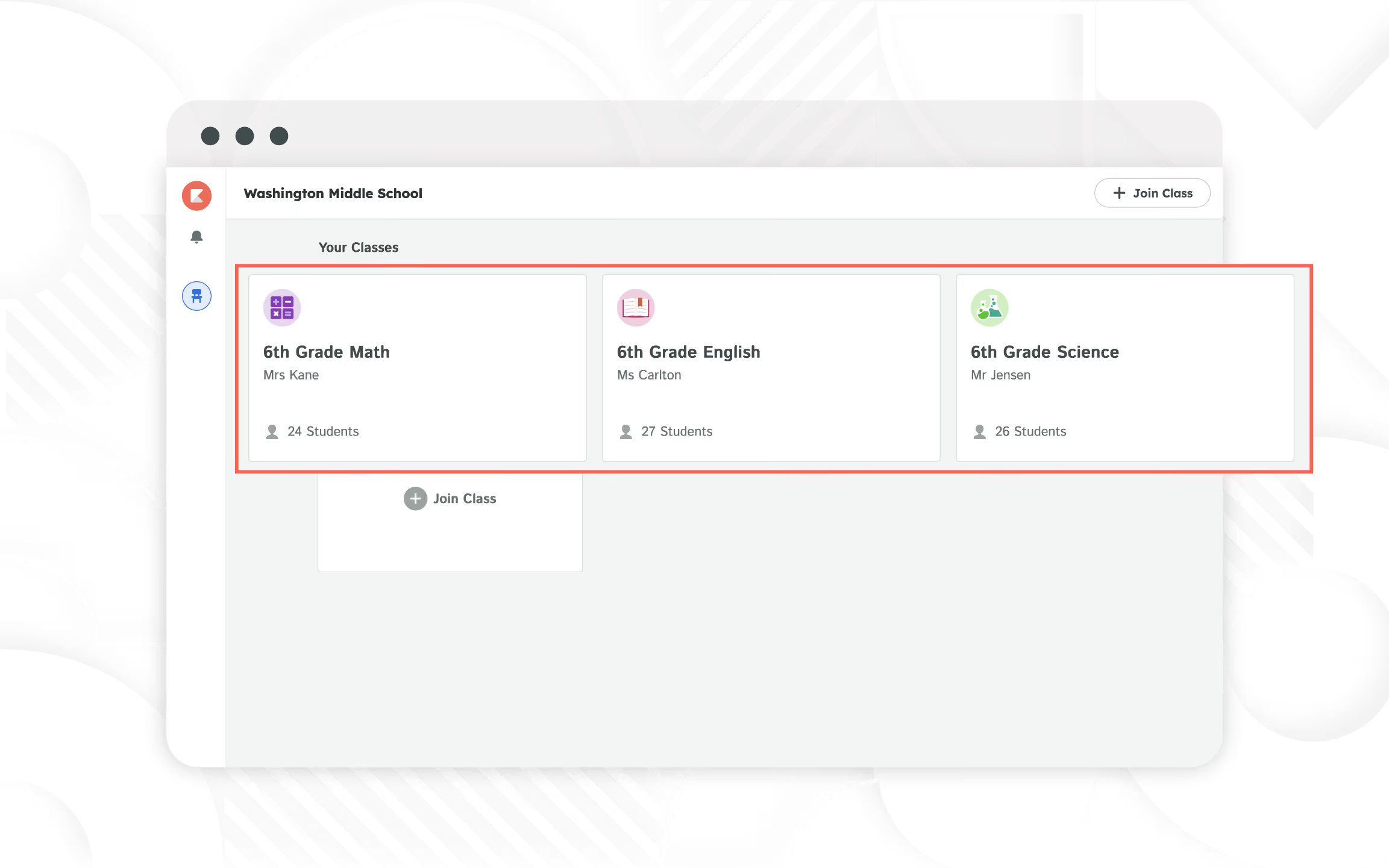
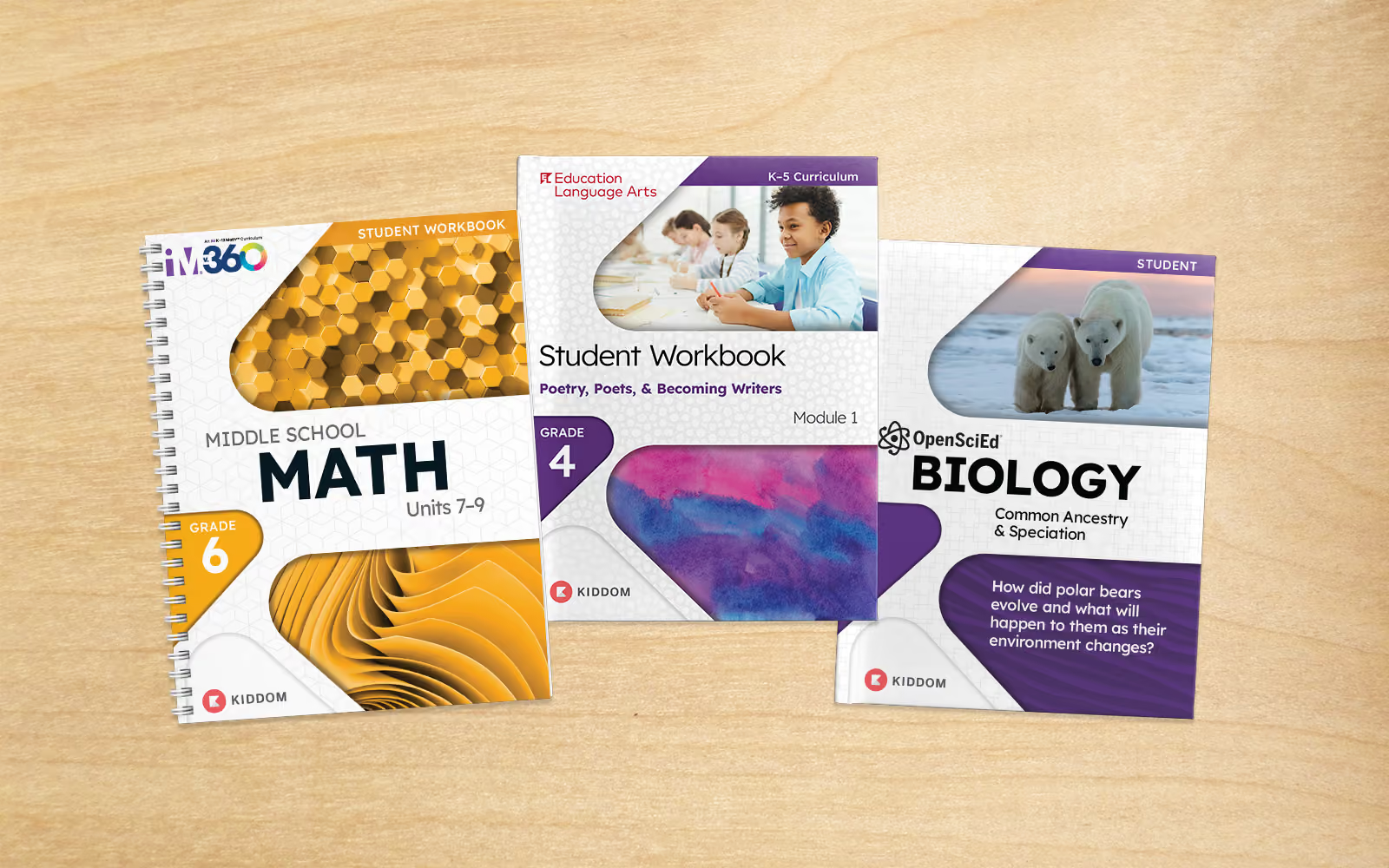
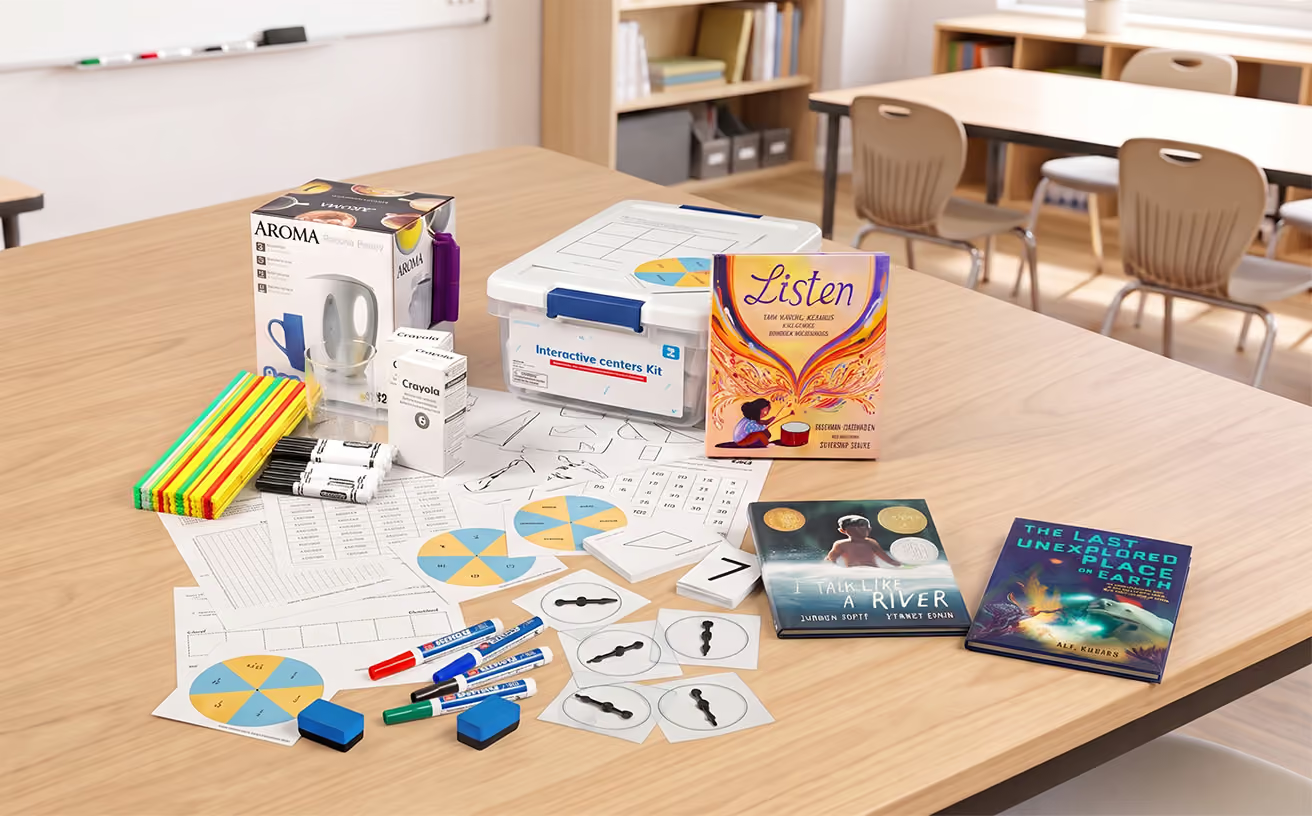
Both, and your school decides the balance. Every curriculum we support comes in printed student workbooks, physical materials like novels and math manipulatives, and digital access. Some classrooms are almost entirely paper and use the digital side only for teacher planning and grading. Others lean digital. Most land in between.
We build both because both matter. Close reading and showing your work are often better on paper. Software makes some things practical that otherwise aren't, like a teacher spotting which students are struggling before a unit test. To learn the balance in your child's classroom, ask your teacher or principal.
How do I see my child's work?
Families can view their student's most current assignments, feedback, and progress through their student's account.
Access works differently depending on where you are. Login steps, permissions, and what families can see vary by school, district, and state, so there's no single set of instructions we can give you. Your child's teacher, school office, or district technology team can tell you exactly how it works at your school, and that's the fastest way in.Want to look around first?
Our Help Center has walkthroughs that don't require an account.
Do I need to pay for anything or set up an account?
No. Your school or district covers Kiddom, and access comes through your child's school account. Families are never asked to pay, subscribe, or buy anything.
Is my child's information safe?
Student data is the most sensitive thing we handle.
- We don't sell student data. Not to advertisers, not to data brokers.
- Your school owns its data. We act on the school's instructions, and the district decides who has access.
- We collect what's needed to support learning: coursework, grades, and progress.
- Districts review our privacy and security practices before adoption, and we sign their data agreements.
Details are in our Privacy Policy. Your district can share the specific agreement it signed with us.
How does Kiddom use AI?
Our AI features are built for teachers, not for doing students' work. Two principles guide that:
- A teacher makes the final call. AI can suggest a score or draft feedback. A teacher reviews it and can change it.
- Students do their own thinking. Our AI features support instruction. They are not designed to write, complete, or rewrite student work.
The goal is time. Less time grading means more minutes for small-group and one-on-one teaching.
What if my child has an IEP, a 504 plan, or needs other support?
Your school's team decides how those supports are delivered. Kiddom gives teachers tools to act on the plan, including scaffolded versions of assignments and accommodated question types. Our materials are designed with accessibility in mind, with features like read-aloud text to support students who benefit from hearing content as well as reading it. Available features depend on your curriculum and your school's settings, so your child's teacher or case manager is the best source on specifics.
My child is working on something I don't know how to help with. What now?
That's common, especially in math. Seeing the assignment and the teacher's feedback in Kiddom usually tells you where your child got stuck, which is enough to ask a good question. Bring that question to the teacher. They can point you to the right approach and to Kiddom family-facing materials for that unit.
Which curriculum does my child use?
We partner only with curricula that are independently vetted as high-quality, including EL Education and Illustrative Mathematics. Your child's teacher can tell you which one your school adopted.
Does Kiddom replace my child's teacher?
No. Kiddom handles the parts of teaching that take time away from students: finding materials, assembling lessons, grading. Every decision about your child's learning stays with their teacher.
